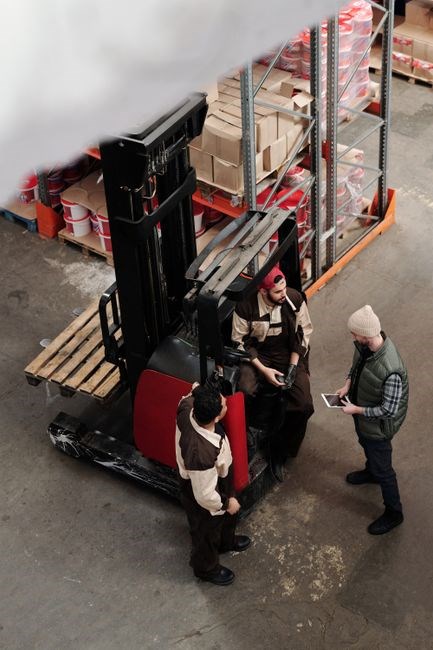
Explore the RTITB forklift theory test PDF‚ featuring comprehensive questions and detailed answers that cover safety‚ load handling‚ and legal compliance. This resource helps candidates master exam content‚ improve confidence‚ and achieve certification efficiently. Use it to ace the exam‚ pass confidently!
Overview of Test Objectives
The overview covers safety‚ legal‚ and operational objectives.The overview covers safety‚ legal‚ and operational objectives.The overview covers safety‚ legal‚ and operational objectives.The overview covers safety‚ legal‚ and operational objectives.The overview covers safety‚ legal‚ and operational objectives.The overview covers safety‚ legal‚ and operational objectives.The overview covers safety‚ legal‚ and operational objectives.The overview covers safety‚ legal‚ and operational objectives.The overview covers safety‚ legal‚ and operational objectives.The overview covers safety‚ legal‚ and operational objectives.The overview covers safety‚ legal‚ and operational objectives.The overview covers safety‚ legal‚ and operational objectives.The overview covers safety‚ legal‚ and operational objectives.The overview covers safety‚ legal‚ and operational objectives.The overview covers safety‚ legal‚ and operational objectives.The overview covers safety‚ legal‚ and operational objectives.The overview covers safety‚ legal‚ and operational objectives.The overview covers safety‚ legal‚ and operational objectives.The overview covers safety‚ legal‚ and operational objectives.The overview covers safety‚ legal‚ and operational objectives.The overview covers safety‚ legal‚ and operational objectives.The overview covers safety‚ legal‚ and operational objectives.The overview covers safety‚ legal‚ and operational objectives.Additional detail!!!
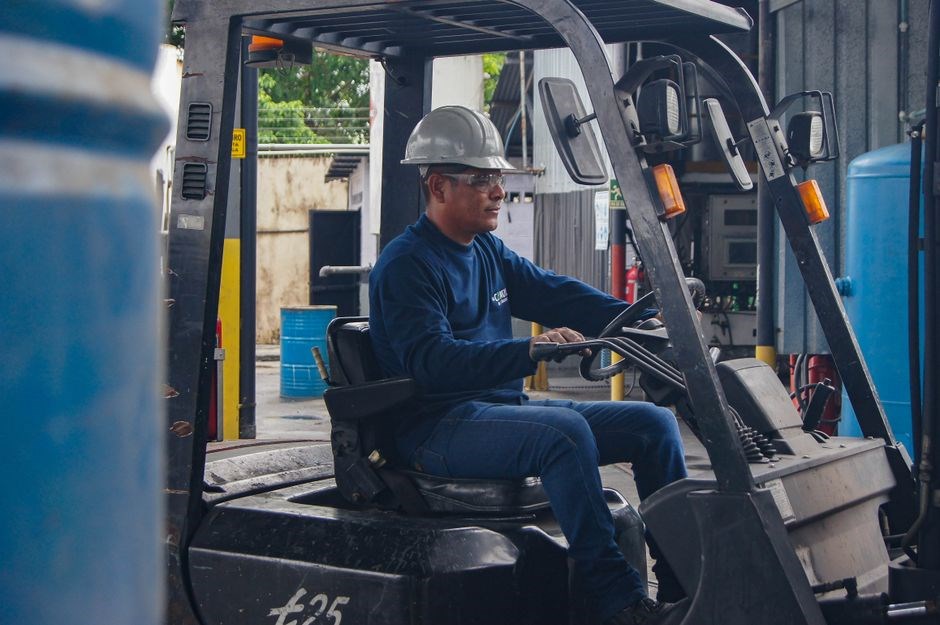
Legal Framework for Forklift Operators
The RTITB legal framework mandates operator licensing‚ safety training‚ and compliance with national regulations. Operators must hold valid certificates‚ adhere to load limits‚ and follow hazard mitigation protocols to ensure workplace safety and legal accountability. Annual renewals require refresher training now!!!!!
RTITB Certification Requirements
The RTITB forklift operator certification requires candidates to be at least 18 years old‚ hold a valid UK driving licence‚ and pass a health declaration confirming adequate vision‚ hearing and physical fitness. Training combines classroom theory with practical hands‑on sessions. The theory exam is delivered via a downloadable PDF containing questions and answers; learners often use Microsoft Word or the free online Office suite to view‚ annotate and study the material. Successful completion of both theory and practical assessments awards a certificate valid for three years. Renewal demands a refresher course‚ updated health declaration and a modest fee through the RTITB portal. Employers must keep records of each operator’s certification and ensure only qualified personnel operate forklifts‚ thereby meeting Health and Safety Executive standards and avoiding penalties. Many candidates find that reviewing the PDF on a tablet or computer using Microsoft Word‚ Excel or PowerPoint helps visualise load charts and stability calculations. The RTITB portal also offers downloadable checklists that can be printed and attached to the operator’s file. Keeping a digital copy of the certificate alongside the health declaration in a secure cloud storage ensures quick access during site audits. Regularly updating the personal safety file with training receipts‚ incident reports and refresher certificates demonstrates a proactive safety culture and satisfies employer verification procedures. OK.

Accessing the Official PDF
To obtain the RTITB forklift theory test PDF‚ visit the RTITB website‚ navigate to the “Downloads” section‚ and click the link titled “Forklift Theory Test – PDF”. The file opens in your browser and can be saved or printed for study. Download the PDF‚ then study the safety rules and practice questions.!!
Downloading from the RTITB Website
The PDF serves as a comprehensive study aid‚ covering all key topics required for the RTITB forklift theory test. It includes detailed explanations‚ diagrams‚ and example questions that mirror the actual exam format. By reviewing each section thoroughly‚ candidates can identify knowledge gaps and focus their revision accordingly. The material is organized into logical units‚ making it easy to navigate and locate specific concepts. Additionally‚ the PDF offers practical tips for time management during the test‚ ensuring that candidates can answer all questions within the allotted time. For those who prefer a hands‑on approach‚ many training centers offer practical sessions that complement the PDF. Engaging peers in forums clarifies doubts and reinforces learning everyday! Practice under timed simulates the exam and builds confidence now. Use the PDF as a study guide daily.
When preparing for the exam‚ it is essential to allocate time for both reading the PDF and practicing with sample questions. Begin by skimming the entire document to get an overview of the topics covered. Then‚ read each section carefully‚ taking notes on key points such as load stability‚ hazard identification‚ and legal requirements. After studying a section‚ test your understanding by attempting related practice questions. If you encounter difficulty‚ revisit the PDF section and review the explanations. Repeating this cycle reinforces memory and highlights areas that need further attention. Additionally‚ set a study schedule‚ now.
Test Format and Sections
RTITB forklift theory test PDF outlines a 60‑question multiple‑choice exam‚ divided into safety‚ load handling‚ and legal sections. Each question has four options; you must answer within 90 minutes. The PDF provides model answers and explanations to help you master each topic. It offers a timed practice module now.
Question Types and Time Constraints
The RTITB forklift theory test PDF presents 60 multiple‑choice questions‚ each with four answer options. Questions span safety protocols‚ load dynamics‚ and regulatory compliance. Candidates have 90 minutes total‚ allocating roughly 1.5 minutes per question. The PDF includes a timed practice mode‚ allowing users to simulate the exam environment‚ track accuracy‚ and identify weak areas. Each question is scored equally‚ with no negative marking. The test is delivered online‚ but the PDF offers downloadable practice sets for offline study. Time management is critical; the suggested strategy is to review all questions quickly‚ then answer those with higher confidence first‚ and reserve the final minutes for review and double‑checking calculations. The PDF also provides a detailed answer key and explanations to reinforce learning and ensure mastery of key concepts!
To optimize performance‚ practice pacing by timing each section during study sessions. Use the PDF’s sample questions to gauge difficulty and adjust your approach. Prioritize mastering the most frequently tested topics—load stability‚ hazard recognition‚ and legal requirements—before tackling less common scenarios. Employ active recall techniques‚ such as flashcards‚ to reinforce key definitions. Additionally‚ simulate exam conditions by setting a timer‚ minimizing distractions‚ and reviewing answers immediately to identify misconceptions. Consistent‚ focused practice will build confidence‚ reduce test anxiety‚ and improve accuracy under the 90‑minute deadline soon!!!!

Key Safety Topics Covered
The PDF outlines essential safety areas: hazard identification‚ load stability‚ pedestrian interaction‚ emergency procedures‚ and equipment inspection. It mirrors the clarity of Microsoft’s online guides‚ offering concise steps and downloadable checklists for ref.now!
Hazard Identification and Mitigation
In the RTITB forklift theory test PDF‚ hazard identification is a core theme. Candidates learn to spot static and dynamic risks: uneven floors‚ low headroom‚ overhead obstructions‚ and unstable loads. The guide emphasizes the “3‑step” approach—recognize‚ assess‚ and control. First‚ scan the aisle for trip hazards‚ open doors‚ and nearby personnel. Second‚ evaluate load weight‚ center of gravity‚ and reach distance. Third‚ apply controls: secure the load with straps‚ use a pallet jack for short distances‚ or reposition the forklift to a safer angle. The PDF also covers environmental hazards: wet floors‚ dust‚ and poor lighting. Mitigation tactics include proper signage‚ floor markings‚ and routine equipment inspections. Safety protocols for emergency stops‚ horn usage‚ and communication with ground personnel are highlighted. By mastering these concepts‚ test takers demonstrate readiness to prevent accidents and protect workers.
Additionally‚ the PDF outlines hazard mitigation through training and continuous improvement. It stresses the importance of daily pre‑shift inspections‚ documenting any anomalies‚ and reporting them immediately. Operators are taught to use the “STOP” protocol when encountering a sudden obstacle‚ and to maintain a safe following distance of at least 1.5 meters. The material also includes case studies of real incidents‚ illustrating how simple oversights—such as over‑reaching or ignoring a warning sign—led to injuries. By reviewing these scenarios‚ candidates internalize the consequences of non‑compliance. The test questions then assess understanding of both identification and mitigation‚ ensuring that certified operators can apply knowledge in real‑world settings.
Finally‚ the PDF recommends a checklist approach: before each shift‚ verify that the forklift’s hydraulic system is functioning‚ that the load‑sensing system is calibrated‚ and that the operator’s seat and controls are adjusted for ergonomics. The document also advises periodic refresher courses‚ especially after any incident or equipment upgrade. By integrating these practices‚ operators build a culture of safety‚ reduce downtime‚ and comply with RTITB regulations. Mastering hazard identification and mitigation is therefore not just an exam requirement but a cornerstone of workplace safety.
Load Handling Principles
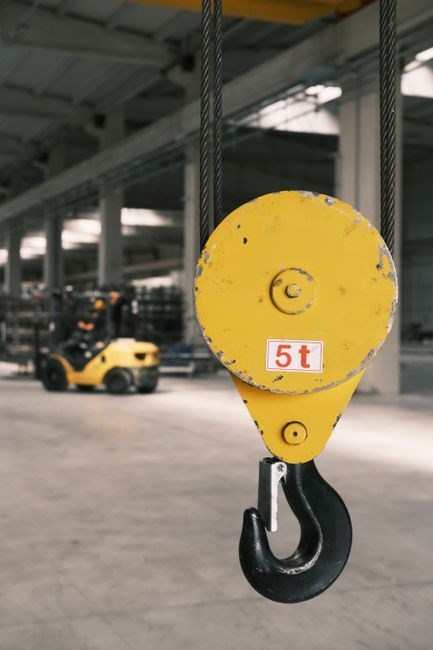
RTITB forklift theory test PDFcovers load stability‚ proper stacking‚ and safe reach limits. Operators learn to assess weight‚ center of gravity‚ and tilt risk before lifting. Correct use of forks‚ load spreaders‚ and securement prevents accidents and ensures compliance.
Stability‚ Tilt‚ and Overreach
RTITB forklift theory test questions focus on load stability‚ tilt angles‚ and safe overreach limits. Operators must calculate the maximum safe lift height by considering the load’s center of gravity‚ fork width‚ and forklift’s wheelbase. The PDF includes sample problems that ask for the critical tilt angle before the load tips‚ using the formula: tilt angle = arctan((load height × distance from pivot) / (wheelbase × load weight)). Overreach rules state that the reach distance must not exceed 1.5 times forklift’s wheelbase to maintain lateral stability. The test emphasizes proper positioning of the load‚ ensuring the center of gravity stays within forklift’s support polygon. It also covers the impact of uneven terrain‚ wind‚ and acceleration on stability. Candidates learn to identify high-risk scenarios‚ such as lifting a heavy pallet on a narrow fork‚ and to apply corrective actions like reducing load height‚ using a spreader bar‚ or repositioning the forklift. The PDF provides detailed explanations and diagrams illustrating how tilt and overreach affect the tipping moment‚ helping candidates visualize the physics behind safe forklift operation.
RTITB forklift theory test PDF covers load stability‚ tilt angles‚ and safe overreach limits. Operators must calculate the maximum safe lift height by considering the load’s center of gravity‚ fork width‚ and forklift’s wheelbase. The PDF includes sample problems that ask for the critical tilt angle before the load tips‚ using the formula: tilt angle = arctan((load height × distance from pivot) / (wheelbase × load weight)). Overreach rules state that the reach distance must not exceed 1.5 times forklift’s wheelbase to maintain lateral stability. The test emphasizes proper positioning of the load‚ ensuring the center of gravity stays within forklift’s support polygon. It also covers the impact of uneven terrain‚ wind‚ and acceleration on stability. Candidates learn to identify high-risk scenarios‚ such as lifting a heavy pallet on a narrow fork‚ and to apply corrective actions like reducing load height‚ using a spreader bar‚ or repositioning the forklift. The PDF provides detailed explanations and diagrams illustrating how tilt and overreach affect the tipping moment‚ helping candidates visualize the physics behind safe forklift operation.
PDF advises operators to keep the load within the forklift’s reach envelope and to avoid sudden stops that could shift the center of gravity. Shows how to use the forklift’s warning to prevent accidents.
Sample Questions and Answers
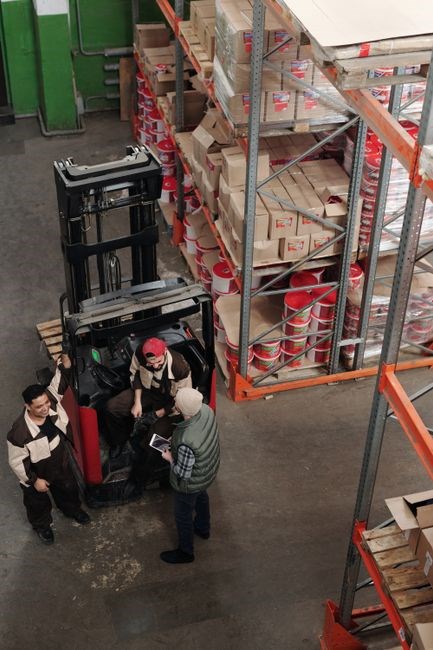
Explore the PDF’s practice set featuring 20 multiple‑choice questions‚ each with a concise answer key and explanation. Topics cover load stability‚ hazard identification‚ and legal requirements. Use this resource to benchmark knowledge and improve test readiness.!!!
Practice Question Set with Explanations
Below is a curated set of 5 representative RTITB forklift theory questions‚ each followed by a concise answer and a brief rationale. These examples illustrate the exam’s focus on safety‚ load dynamics‚ and regulatory compliance.
What is the recommended minimum clearance between a forklift and the rear of a load? A) 1 ft B) 2 ft C) 3 ft D) 4 ft. Answer: B. A 2‑ft buffer reduces rollover risk.
Which factor most directly affects a load’s stability when lifted? A) Fork width B) Load weight C) Truck speed D) Operator height. Answer: B. Heavier loads shift the center of gravity;
The RTITB certification requires a minimum of how many hours of practical training before the theory test? A) 5 B) 10 C) 15 D) 20. Answer: C. Practical hours ensure competence.
When operating a forklift in a confined space‚ the operator must: A) Keep the load low B) Use a spotter C) Avoid rapid acceleration D) All of the above. Answer: D. All measures mitigate hazards.
Which of these is NOT considered a forklift hazard? A) Slippery floor B) Low ceiling C) Overhead obstruction D) Properly secured load. Answer: D. A secured load is safe.
These sample questions provide a snapshot of the test’s breadth‚ helping candidates focus study efforts on key safety principles and operational best practices.
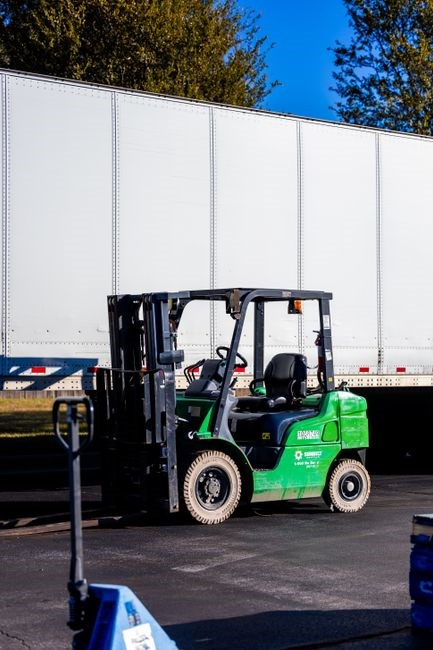
Tip: Review the official RTITB PDF‚ practice with timed quizzes‚ and focus on hazard identification‚ load stability‚ and legal requirements to maximize score potential.
Remember‚ the theory test is only the first step; practical proficiency and continuous safety training are essential for long‑term operational excellence.
By mastering these concepts‚ operators can confidently navigate the exam‚ secure certification‚ and contribute to a safer workplace.
Study Resources and Success Strategies
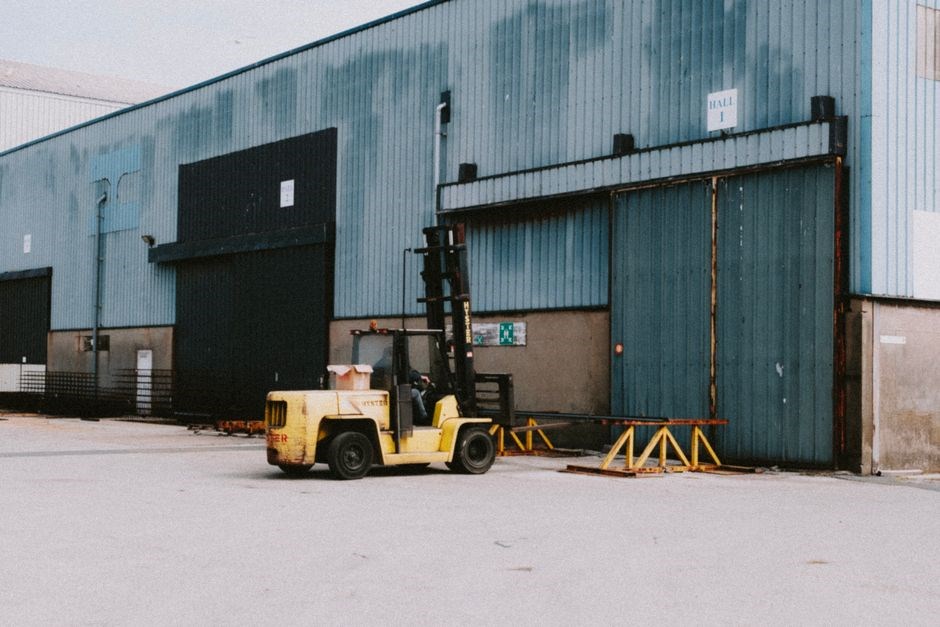
Download the RTITB forklift theory test PDF‚ then review it alongside free Microsoft Office online tools. Use Word to annotate questions‚ Excel to track scores‚ and Outlook for study reminders. Consistent practice ensures success. Study daily‚ stay sharp.!
Recommended Study Materials and Practice Tests
Use the PDF glossary and Word flashcards to reinforce terms. Schedule weekly mock exams‚ track scores‚ and target weak areas. Practice boosts retention and exam confidence.