
Hisense Fridge Manual: A Comprehensive Guide

Welcome! This manual provides essential guidance for all Hisense refrigerator models, ensuring optimal performance and longevity.
Register your appliance and discover support resources, parts, and software updates readily available online today.
Hisense refrigerators are engineered with innovative technology to deliver superior food preservation and convenience. As a leading appliance manufacturer, Hisense is committed to providing reliable and energy-efficient cooling solutions for modern lifestyles.
Our range encompasses a variety of styles, including top freezer, bottom freezer, side-by-side, and French door models, each designed to meet diverse needs and kitchen layouts. Key features often include advanced temperature management systems, spacious interiors with adjustable shelving, and sleek, contemporary designs.
This manual serves as a comprehensive resource to help you understand and utilize all the features of your Hisense refrigerator. From initial setup and daily operation to maintenance and troubleshooting, we’ve provided detailed instructions to ensure a seamless experience. Remember to register your product to activate your warranty and stay informed about important updates. Explore the Hisense support website for additional assistance and replacement parts.
Understanding Your Model Number
Your Hisense refrigerator’s model number is crucial for accessing specific information, support, and replacement parts. This unique identifier details the refrigerator’s features, specifications, and manufacturing date. You can typically find the model number on a sticker located inside the refrigerator compartment, often on the side wall or near the crisper drawers.
The model number is a combination of letters and numbers. It allows Hisense support representatives to quickly identify your exact appliance configuration. When contacting customer service or ordering parts, always have your model number readily available. This ensures you receive the correct assistance and compatible components.
Understanding your model number also helps you download the correct user manual and access relevant firmware or software updates from the Hisense support website. Proper identification streamlines the process of finding solutions to any questions or issues you may encounter with your refrigerator. Registering your product often requires this information.
Registering Your Hisense Refrigerator
Registering your new Hisense refrigerator is a vital step to activate your warranty and ensure you receive important product updates and exclusive offers. Registration confirms your purchase date and provides Hisense with the necessary information to assist you efficiently should you require support. You can easily register your appliance online through the Hisense-USA website’s dedicated registration portal.
During the registration process, you’ll need your refrigerator’s model number and serial number, typically found on the appliance’s data label inside the refrigerator compartment. Registering allows you to access a personalized support experience, including tailored troubleshooting guides and notifications about relevant firmware updates.
Protect your investment by registering today! It also ensures you’re informed about special deals and news related to your Hisense refrigerator. Don’t delay – activate your warranty and enjoy peace of mind knowing you’re connected to the Hisense support network.
Initial Setup and Installation
Before powering on your new Hisense refrigerator, careful initial setup and installation are crucial for optimal performance. Ensure the appliance is placed on a level surface, allowing adequate ventilation around the sides and back – at least 2 inches is recommended. Avoid direct sunlight and heat sources, as these can impact cooling efficiency.
Inspect the refrigerator for any shipping damage before proceeding. Remove all packaging materials, including protective films and tape, from both the interior and exterior. Clean the interior with a mild detergent and warm water before stocking it with food.
Verify that the water supply line (if applicable, for models with ice makers and water dispensers) is properly connected and free of leaks. Allow the refrigerator to stand upright for at least four hours before connecting to power to allow the refrigerant to settle.
Connecting to Power
Before connecting your Hisense refrigerator to a power source, ensure the voltage and frequency of your outlet match the specifications listed on the appliance’s rating label – typically found on the back or side. It’s highly recommended to use a dedicated, grounded electrical outlet for the refrigerator to prevent overloading circuits and potential electrical hazards.
Avoid using extension cords or adapters, as they can compromise the appliance’s performance and safety. Once you’ve verified the outlet’s compatibility, firmly plug the refrigerator’s power cord into the outlet. You should hear a slight click indicating a secure connection.

After connecting to power, allow the refrigerator several hours to reach its optimal operating temperature. Avoid immediately filling it with a large quantity of food, as this can hinder the cooling process. Refer to the Adjusting Temperature Settings section for guidance on setting the desired temperature.
Adjusting Temperature Settings
Hisense refrigerators offer precise temperature control for both the refrigerator and freezer compartments. These settings are typically adjusted using the control panel, which may feature digital displays or dial controls. The ideal refrigerator temperature is generally between 37°F (3°C) and 40°F (4°C), while the freezer should be maintained at 0°F (-18°C).
To adjust the temperature, locate the temperature control settings on the control panel. Use the up and down arrows, or rotate the dial, to select your desired temperature. Allow 24 hours for the refrigerator to stabilize at the new setting.
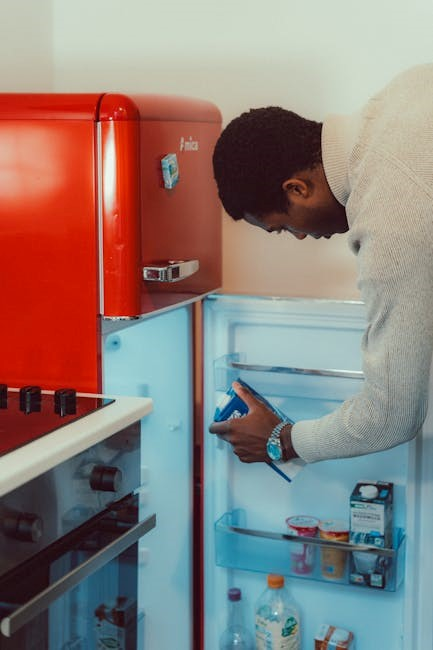
Remember that frequent opening of the doors or placing warm food inside can affect the internal temperature. Monitor the temperature periodically to ensure optimal food preservation. Refer to the Using the Control Panel section for detailed instructions specific to your model.
Using the Control Panel
The Hisense refrigerator control panel is your central hub for managing appliance functions. Panel designs vary by model, but common features include temperature adjustments for both the fridge and freezer, ice maker controls, and alarm settings. Digital panels often display current temperatures and selected modes.
To adjust settings, use the touch-sensitive buttons or dials. Some models feature a ‘Fast Freeze’ or ‘Fast Cool’ function for quickly chilling items. The control panel may also indicate if a door has been left open or if there’s a system error.
Consult your specific model’s diagram within this manual for precise button locations and functions. Explore the panel’s options to customize your refrigeration experience and ensure optimal food preservation. Remember to allow time for temperature changes to take effect.
Key Features and Functions
Hisense refrigerators boast a range of innovative features designed for convenience and food preservation. No Frost Technology eliminates manual defrosting, preventing ice buildup. The Multi-Air Flow System ensures consistent temperatures throughout the refrigerator, keeping food fresher for longer.
Many models include adjustable shelving and door bins for flexible storage. A convenient Door Alarm alerts you if a door is left ajar, preventing food spoilage and energy waste. Select models offer advanced features like smart connectivity, allowing remote control and monitoring via a mobile app.
Explore features like humidity control settings for crisper drawers, optimizing conditions for fruits and vegetables. Hisense prioritizes energy efficiency and user-friendly design, delivering a superior refrigeration experience.
No Frost Technology Explained
Hisense’s No Frost Technology represents a significant advancement in refrigerator design, eliminating the need for manual defrosting. Traditional refrigerators accumulate frost due to moisture in the air, requiring periodic shutdowns for removal. This technology actively prevents frost buildup on the evaporator coils.
A powerful fan circulates cool air evenly throughout the refrigerator, minimizing humidity and preventing ice crystal formation. This system continuously monitors and regulates temperature, ensuring optimal food preservation without the inconvenience of defrosting. No Frost not only saves you time and effort but also contributes to energy efficiency.
Enjoy consistent cooling performance and a frost-free freezer compartment, maximizing storage space and simplifying refrigerator maintenance. This feature is standard on many Hisense models, offering a hassle-free refrigeration experience.
Multi-Air Flow System
Hisense’s Multi-Air Flow System is engineered to maintain consistent temperatures throughout the entire refrigerator compartment. Unlike conventional systems that rely on natural convection, this technology utilizes strategically placed vents to distribute cool air evenly across all shelves and compartments.
This ensures that food items, regardless of their location within the refrigerator, are kept at the optimal temperature, preserving freshness and flavor for longer periods. The system minimizes temperature fluctuations, preventing spoilage and maintaining ideal storage conditions. Multi-Air Flow is particularly beneficial for delicate foods and produce.
Experience superior cooling performance and reduced food waste with this innovative feature. It contributes to energy efficiency by minimizing the workload on the compressor, resulting in a more reliable and cost-effective refrigeration solution.
Humidity Control Settings

Hisense refrigerators often feature dedicated humidity control settings within the crisper drawers. These settings allow you to customize the environment for different types of produce, maximizing their freshness and extending their shelf life. Typically, you’ll find options to adjust the humidity level – often labeled “High” and “Low.”
“High Humidity” is ideal for leafy greens and vegetables that wilt easily, like spinach or lettuce. This setting helps retain moisture, preventing them from drying out. “Low Humidity” is best suited for fruits and vegetables that produce ethylene gas, such as apples or pears. Lowering the humidity slows down ripening and prevents spoilage.
Properly utilizing these settings ensures optimal storage conditions, preserving the quality and nutritional value of your fruits and vegetables. Refer to your specific model’s manual for detailed instructions on adjusting the humidity controls.
Door Alarm Function
Hisense refrigerators are equipped with a convenient door alarm function designed to alert you if a refrigerator or freezer door is left open for an extended period. This feature helps prevent food spoilage and minimizes energy waste. The alarm typically activates after approximately two minutes of the door being ajar, emitting an audible beep.
To silence the alarm, simply close the door completely. If the door is intentionally left open for cleaning or organization, some models may allow you to temporarily disable the alarm through the control panel. However, it’s generally recommended to keep the alarm active for optimal food preservation.
Regularly checking that doors are sealing properly is crucial. A malfunctioning door seal can also trigger the alarm. If the alarm sounds even with the door closed, investigate the seal for damage or obstructions.
Maintenance and Cleaning
Regular maintenance is key to ensuring your Hisense refrigerator operates efficiently and maintains its pristine condition. Consistent cleaning prevents odors, preserves food quality, and extends the appliance’s lifespan. Begin by unplugging the refrigerator before any cleaning procedures.
Interior surfaces should be wiped down weekly with a mild detergent and warm water solution. Avoid abrasive cleaners, as they can damage the surfaces. Spills should be addressed immediately to prevent staining and bacterial growth. Remove all shelves and drawers for thorough cleaning.
Exterior surfaces can be cleaned with a damp cloth and mild soap. Pay attention to door handles and seals, ensuring they are free from grime. Maintaining a clean condenser coil is also vital for efficient cooling; refer to the dedicated section for detailed instructions.
Regular Cleaning Procedures

Weekly cleaning involves wiping down interior surfaces with a solution of warm water and mild detergent. Remove all removable parts – shelves, drawers, and bins – and wash them separately. Rinse thoroughly and dry before replacing. Don’t forget to check expiration dates and discard any spoiled food to prevent odors and maintain hygiene.
Monthly tasks include cleaning the door seals with a damp cloth to ensure a tight seal and efficient cooling. Inspect the drip pan (if applicable) and empty/clean it to prevent mold growth. Wipe down the exterior surfaces, including the door handles, with a suitable cleaner.
Pay close attention to areas prone to spills and stains. Promptly address any messes to avoid permanent damage. A clean refrigerator contributes to better food preservation and overall appliance performance. Remember to always unplug the unit before deep cleaning.
Defrosting Your Refrigerator (If Applicable)
Manual defrost models require periodic defrosting to remove ice buildup, ensuring optimal cooling efficiency. Begin by unplugging the refrigerator from the power outlet. Remove all food items and store them in a cool place. Place towels or trays inside to collect melting water.
Allow the ice to melt naturally; avoid using sharp objects to scrape it off, as this can damage the refrigerator’s interior. You can speed up the process by leaving the door open or using a fan to circulate air. Once all the ice has melted, thoroughly wipe down the interior with a clean, dry cloth.
Before restarting, ensure the interior is completely dry. Plug the refrigerator back in and allow it to reach the desired temperature before restocking with food. Regular defrosting prevents excessive energy consumption and maintains optimal performance.
Replacing the Water Filter (If Applicable)
Maintaining fresh, clean water requires regular water filter replacement. Hisense refrigerators with water dispensers utilize filters to remove impurities and enhance water quality. Locate the filter, typically inside the refrigerator compartment or behind the base grille.
Before replacing, gently twist and pull to remove the old filter. Note the direction of removal for easy installation of the new filter. Ensure the new filter is the correct model for your refrigerator. Align the new filter with the housing and twist until it locks into place.
Flush the system by dispensing water for several minutes to remove any air or loose particles. Reset the filter indicator on the control panel, if applicable. Replace the filter every six months, or as indicated by the filter replacement indicator, for optimal performance and water quality.
Cleaning the Condenser Coils
Efficient refrigerator operation relies on clean condenser coils. These coils dissipate heat, and dust accumulation reduces cooling efficiency. Locate the condenser coils, usually on the back or underneath the refrigerator. Disconnect power before cleaning to prevent electrical shock.
Use a vacuum cleaner with a brush attachment to gently remove dust and debris from the coils. Avoid bending or damaging the coils during cleaning. A soft brush can also be used for stubborn dirt. For heavily soiled coils, consider a specialized condenser coil cleaning brush.
Regular cleaning – at least twice a year – improves energy efficiency and extends the life of your refrigerator. Reconnect the power after cleaning. Maintaining clean coils ensures optimal cooling performance and reduces energy consumption, saving you money.
Troubleshooting Common Issues
Experiencing problems with your Hisense refrigerator? This section addresses frequent concerns. If the refrigerator isn’t cooling, check the power connection, temperature settings, and ensure the condenser coils are clean. Excessive noise could indicate an uneven floor – adjust the leveling feet. Also, verify nothing is vibrating against the unit.
Water leaks often stem from a clogged defrost drain; clear any obstructions. For ice maker issues, confirm the water supply is connected and the ice maker is switched on. Check for frozen water lines. If problems persist, consult the Hisense support website for FAQs and troubleshooting guides.

Remember to register your product for warranty support. Hisense provides comprehensive assistance for all appliance needs, offering parts and service support to resolve any issues efficiently.
Refrigerator Not Cooling
If your Hisense refrigerator isn’t maintaining a cold temperature, begin with the basics. First, verify the power cord is securely plugged into a functioning outlet. Next, check the temperature control settings – ensure they haven’t been accidentally adjusted. A common culprit is a dirty condenser coil; regular cleaning is crucial for efficient heat dissipation.
Also, inspect the door seals for any gaps or damage, as this allows warm air to enter. Overloading the refrigerator can also restrict airflow. Ensure vents inside the fridge aren’t blocked by food items. If the issue continues, consult the Hisense support website for detailed troubleshooting steps specific to your model.
Remember to register your product to activate your warranty and access further assistance if needed. Hisense offers comprehensive support for all refrigeration models.
Excessive Noise
Hearing unusual sounds from your Hisense refrigerator can be concerning. Often, the noise stems from normal operation – the compressor, fan motors, or defrost cycle. However, persistent or loud noises warrant investigation. Ensure the refrigerator is level; an uneven surface can cause vibrations. Check if items inside are rattling against each other or the shelves.
Inspect the condenser fan at the back of the unit. Obstructions like dust or debris can cause it to operate noisily. If the noise persists, it could indicate a problem with the compressor or fan motor. Regular maintenance, including cleaning the condenser coils, can help prevent these issues.
For further assistance, consult the Hisense support website or contact their support team. Remember to have your model number ready when seeking help.
Water Leaks
Discovering water around your Hisense refrigerator can indicate several potential issues. First, check the water supply line connected to the ice maker and dispenser, ensuring it’s securely fastened and free from cracks. Inspect the drain tube located at the back of the fridge; a blockage can cause water to overflow.
Verify the door seals are clean and creating a tight closure. Damaged or dirty seals allow warm air to enter, leading to condensation and potential leaks. If your model has an automatic defrost system, ensure the defrost drain isn’t clogged with ice or debris.
For persistent leaks, it’s best to contact Hisense support. Have your model number available for efficient assistance and potential parts replacement. Ignoring leaks can lead to water damage and affect refrigerator performance.
Ice Maker Problems
Experiencing issues with your Hisense refrigerator’s ice maker? Several factors could be at play. First, confirm the ice maker is switched ‘on’ within the control panel settings. Check the water supply line connected to the refrigerator; insufficient water pressure will hinder ice production.
Inspect the ice bin for any obstructions, such as ice clumps or foreign objects. A frozen water line can also prevent ice from being made – try gently thawing it with a hairdryer (avoid direct heat). If the ice maker isn’t dispensing, ensure the dispenser chute isn’t blocked.
For recurring problems, consult the Hisense support website for troubleshooting guides or contact their service team. Providing your model number will expedite the support process and potential parts identification.
Warranty Information and Support
Your Hisense refrigerator is covered by a limited warranty, protecting against manufacturing defects in materials and workmanship. Registering your product immediately upon purchase is crucial to activate your warranty and ensure seamless claim processing. Warranty duration varies by model, so refer to your product documentation for specifics.
For warranty claims or general support inquiries, Hisense offers multiple channels. Visit the official Hisense-USA support website (https://www.hisense-usa.com/support) for FAQs, troubleshooting guides, and contact information. You can reach their parts and service support team directly through the website.
Protect your investment by considering extended warranty options for added peace of mind. Hisense also provides resources for finding replacement parts and accessing the latest firmware and software updates for your appliance.
Hisense Warranty Details
Hisense refrigerators come with a standard limited warranty, typically covering one year for parts and labor, and five years for the sealed system (compressor, condenser, evaporator, and connecting tubing). Detailed warranty terms are outlined in the product manual included with your refrigerator; please review it carefully.
The warranty covers defects in materials and workmanship under normal household use. It does not cover damage resulting from misuse, accidents, improper installation, or unauthorized repairs. Proof of purchase is required for all warranty claims, so retain your sales receipt.
To initiate a claim, contact Hisense support (https://www.hisense-usa.com/support). Be prepared to provide your model number, serial number, and a detailed description of the issue. Extended warranty options are available for purchase, offering extended coverage beyond the standard warranty period.
Contacting Hisense Support
Need assistance with your Hisense refrigerator? Hisense offers multiple channels for support. The primary method is through their official support website: https://www.hisense-usa.com/support. Here, you can find FAQs, troubleshooting guides, and the option to submit a support request.
For direct assistance, you can contact the Hisense support team via phone. While specific numbers may vary, the website provides the most up-to-date contact information. Live chat support is also frequently available on the website during business hours, offering immediate assistance with your queries.
When contacting support, have your refrigerator’s model number and serial number readily available. A clear description of the issue, including any error codes displayed, will expedite the process. Hisense aims to provide prompt and helpful assistance to ensure your satisfaction.
Finding Replacement Parts
Need to replace a component in your Hisense refrigerator? Hisense provides resources to help you locate genuine replacement parts. The official Hisense USA website (https://www.hisense-usa.com/support) is the best starting point for your search.
Typically, you’ll need your refrigerator’s model number to ensure compatibility. You can often find parts diagrams and lists on the support website, allowing you to identify the correct part number. Alternatively, you can contact Hisense support directly and provide them with the model number and a description of the needed part.
Third-party appliance parts retailers also carry Hisense refrigerator parts, but it’s crucial to verify the authenticity and compatibility before purchasing. Using genuine Hisense parts ensures optimal performance and maintains your refrigerator’s warranty. Always prioritize safety when replacing parts and consider professional assistance if you’re uncomfortable with the process.
Firmware and Software Updates
Maintaining up-to-date firmware and software is crucial for optimal performance and access to the latest features on your smart Hisense refrigerator. These updates often include bug fixes, performance improvements, and new functionalities designed to enhance your user experience.
Hisense provides updates through their official support website (https://www.hisense-usa.com/support). Regularly check this site for available downloads specific to your refrigerator’s model number. The update process typically involves downloading the file to a USB drive and then installing it through the refrigerator’s control panel.

Carefully follow the instructions provided with the update file to avoid any issues during installation. Interrupted updates can potentially cause malfunctions, so ensure a stable power supply throughout the process. Staying current with updates ensures your refrigerator operates efficiently and securely, maximizing its lifespan and functionality.